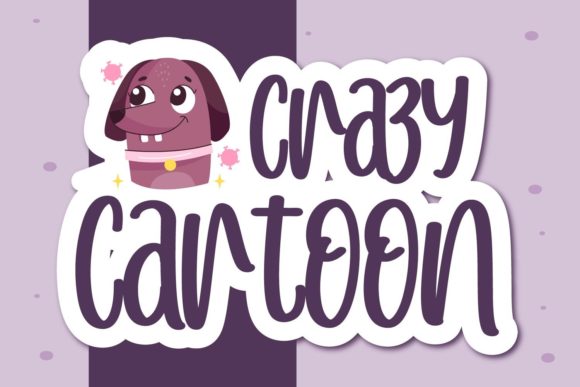
Crazy Cartoon Font: A Playful Display Typeface for Creative Web Design
Crazy Cartoon for Website Headers and Hero Sections
As a web designer, the first thing your audience sees is the header or hero section of a site. That’s where Crazy Cartoon, a playful display font, can make an immediate impact. Its peculiarly graceful characters bring a sense of whimsy without sacrificing visual clarity. This makes it ideal for bold website headers that capture attention while maintaining professionalism. Whether you're designing a landing page for a children's brand or a fun-loving startup, Crazy Cartoon adds a layer of personality that helps establish a memorable brand tone.
Why Choose Crazy Cartoon for Bold Statements
Crazy Cartoon stands out in digital spaces by combining friendliness with a touch of eccentricity. The font doesn't feel cluttered even when used at large sizes, making it perfect for hero sections where space and emphasis are key. Its unique character shapes allow designers to create strong visual hierarchy—guiding users from the headline down to supporting content with ease. When paired with a clean sans serif body font, it creates a balanced contrast that improves readability and user engagement on both desktop and mobile platforms.
Crazy Cartoon in Conversion-Focused Landing Pages
Designing for conversion means every element must serve a purpose, including typography. Crazy Cartoon, as a display font, can be strategically placed in call-to-action areas to add visual interest and reinforce a brand's playful identity. For instance, using it for the main headline on a product landing page immediately sets a lighthearted but professional tone. It works especially well for startups, lifestyle brands, or any project targeting younger audiences who appreciate creative fonts that stand out.
Optimizing Readability in CTA Buttons
While Crazy Cartoon is not recommended for small body text due to its decorative nature, it shines in short phrases like CTA buttons. However, it’s crucial to ensure legibility on smaller screens. Use it in uppercase for better visibility and pair it with ample padding and high-contrast colors. Avoid using it over busy backgrounds—stick to solid colors or minimal imagery to keep the focus on the message and maintain a clear visual path for conversions.
Crazy Cartoon for Brand Identity and Visual Consistency
Consistent typography is essential for building a strong brand identity. Crazy Cartoon can anchor a brand’s visual language with its friendly yet distinctive characters. It’s particularly effective in industries like education, wellness, or creative services where warmth and approachability are vital. By incorporating this font into logos, social media graphics, and branded web experiences, you create a cohesive look that resonates across platforms and reinforces brand recognition.
Using Crazy Cartoon in Logo Design
The quirky charm of Crazy Cartoon makes it a compelling choice for logo text, especially for niche brands that want to express creativity and joy. It’s important to test how it looks in different weights and at varying sizes to ensure it holds up in all applications—from business cards to billboards. Because it’s a display font, it’s best reserved for primary branding elements rather than secondary labels or footers, where simpler typefaces will maintain clarity and consistency.
Crazy Cartoon in Online Shop Banners and Product Pages
E-commerce sites need to balance aesthetics with usability. Crazy Cartoon can help inject some fun into online store banners, category headers, and promotional headlines. Its graceful curves and friendly vibe are great for boutique shops, handmade goods, or any brand looking to stand out in a crowded market. Just remember to use it sparingly—too much can overwhelm customers and disrupt the layout rhythm of your product pages.
Creating Scannable Layouts with Crazy Cartoon
One of the biggest challenges in e-commerce design is ensuring content is scannable. While Crazy Cartoon isn’t suited for long paragraphs, it excels at breaking up sections with headers and subheaders. Use it to highlight special offers, seasonal collections, or featured products. To maintain a professional look, alternate between Crazy Cartoon and a more neutral sans serif or serif font for descriptions and pricing details. This pairing ensures your shop feels both inviting and trustworthy.
Crazy Cartoon for Blog Graphics and Content Sections
Bloggers and content creators often rely on visual storytelling to keep readers engaged. Crazy Cartoon brings a dynamic flair to blog headers, infographics, and pull quotes. Its playful yet elegant style fits well with topics like lifestyle, travel, or creative tutorials. When used in content sections, it should be limited to titles and highlights—never the full article text—to preserve readability and maintain a clean editorial design.
Enhancing Mobile Readability with Crazy Cartoon
Mobile optimization is non-negotiable in modern web design. When using Crazy Cartoon for blog headers or social media graphics, ensure it scales well on smaller screens. Test line height and letter spacing to avoid any distortion or overcrowding. If you’re overlaying it on images, always consider contrast ratios and background complexity to prevent the text from blending in. These adjustments will help your content remain engaging and accessible across devices.
Crazy Cartoon in Digital Ads and Social Media Campaigns
Digital ads require typography that grabs attention quickly. Crazy Cartoon, being a display font, is excellent for creating eye-catching headlines in Facebook, Instagram, or Google Ad campaigns. Its unique shape helps differentiate your ad from competitors and can be especially useful in niches like kids' toys, educational tools, or entertainment platforms. Just be cautious about overusing it—ads need to be concise and readable within seconds.
Font Pairing Tips for Digital Advertising
To maximize the effectiveness of Crazy Cartoon in digital ads, pair it with a simple, highly legible sans serif font such as Helvetica or Roboto for supporting copy. This combination allows the headline to pop while keeping the rest of the information easy to digest. For a more editorial or premium feel, you might also consider a subtle serif font for longer captions. Always ensure the font styles are available in webfont formats so they render consistently across browsers and devices.
Crazy Cartoon for Course Pages and Educational Platforms
Online learning platforms benefit from typography that’s both inviting and professional. Crazy Cartoon can be a great fit for course titles, section headers, or promotional banners for new courses. Its friendly appearance aligns well with creative learning environments, while the graceful strokes maintain a level of sophistication suitable for serious educational content. Just make sure the rest of your typography system supports clear navigation and easy reading.
Building Trust with Decorative Fonts in Education
Decorative display fonts like Crazy Cartoon can sometimes raise questions about professionalism. In the context of educational platforms, especially those focused on art, music, or child development, however, they can work wonders. The key is to balance them with more traditional fonts in descriptions, testimonials, and other trust-building elements. This thoughtful font pairing keeps the overall design fresh while reinforcing credibility through structure and clarity.
Crazy Cartoon for Portfolio Sites and Creative Agencies
Creative professionals—like illustrators, animators, or game developers—often seek fonts that reflect their artistic voice. Crazy Cartoon is a perfect example of a playful display font that adds character to portfolio sites and showcases. It can be used for section titles, project headings, or even client testimonials to give a personal, handcrafted touch. As long as it’s supported by multilingual glyphs and alternates, it’s also a versatile option for international portfolios or brand-focused agency websites.
Establishing a Unique Digital Presence
With Crazy Cartoon, you can craft a distinct visual identity that sets your portfolio apart. Its unique character set makes it ideal for adding decorative accents or signature blocks. When designing a portfolio, consider using it in conjunction with a minimalist base font to create a contrast that highlights your work without distracting from it. This approach maintains a modern typography aesthetic while allowing your personality to shine through the design assets.
Crazy Cartoon in Branded Web Experiences and SaaS Projects
SaaS founders and digital product creators often aim for a balance between innovation and clarity. Crazy Cartoon offers a way to express creativity without compromising on usability. It can be used in feature headers, testimonials, or welcome messages to create a warm and engaging interface. For a more mature tone, blend it with a geometric sans serif or a refined slab serif to support a comprehensive brand identity across your platform.
Commercial Font Licensing Considerations
Before integrating Crazy Cartoon into client projects or commercial websites, verify the font license. Many display fonts are only suitable for personal or limited commercial use unless purchased under a webfont license. Ensure the license covers your intended use case—whether it’s for a client’s landing page, your own online store, or a digital template sold on platforms like Creative Market or Envato Elements. Proper licensing protects your work and guarantees compliance with font usage rights.
Real-World Examples of Crazy Cartoon in Action
Let’s take a practical look at how Crazy Cartoon performs in real design scenarios:
- Coaching Websites: Use it for motivational quotes or service headers to convey enthusiasm and accessibility.
- Boutique E-Commerce: Feature it in product category titles and seasonal promotions to attract attention without overwhelming the user.
- Portfolio Sites: Apply it to creative project names or artist signatures for a personalized touch that enhances brand tone.
- Social Media Graphics: Incorporate it into Instagram carousels or Twitter headers to build visual continuity with your brand kit.
Responsive Typography Best Practices
When implementing Crazy Cartoon into responsive layouts, pay close attention to how it behaves at different breakpoints. On desktop, you can afford larger sizes and more intricate character forms. On mobile, simplify its application—maybe reduce the number of alternates or stick to one weight. Also, ensure it loads efficiently by using webfont subsets if necessary. Responsive typography isn’t just about scaling; it’s about preserving intent and clarity across all screen sizes.
How Crazy Cartoon Supports User Engagement
User engagement starts with the first impression—and typography plays a big role in that. Crazy Cartoon helps create a welcoming atmosphere on web pages, which is especially valuable for communities, membership sites, or interactive apps. Its friendly and approachable style encourages exploration and interaction. Just be mindful of where you place it. Overuse in menus or dropdowns can hinder usability, so reserve it for strategic, high-impact areas.
Testing Crazy Cartoon in Dark Mode
With dark mode becoming standard across many platforms, testing how Crazy Cartoon appears on dark backgrounds is essential. Its lighter tones may require careful color selection to avoid fading into the background. Try using soft pastel hues or high-contrast combinations to maintain visibility. This adaptability ensures your design remains inclusive and user-friendly, regardless of the viewing environment.
Final Thoughts on Crazy Cartoon and Modern Web Design
Fonts like Crazy Cartoon offer a refreshing alternative to the standard sans serif choices dominating the digital landscape. Its peculiar grace and friendly characters allow for creative expression while still fitting within professional web design frameworks. As a UI designer or digital creator, leveraging display fonts thoughtfully can enhance user experience and elevate your brand’s digital presence. Always consider the context, audience, and technical requirements before committing to a font for production use.